how-to
How Long Do Permanent Holiday Lights Last?
Editorial Team · Oct 23, 2026 · 14 min read
Last Updated: October 23, 2026
Quick Summary
Most permanent holiday lights last 8 to 12 years in real-world use, even though quality LEDs are rated for tens of thousands of hours. The controller and power supply usually fail before the diodes, so the electronics set the realistic calendar-year ceiling. A typical system running three to five hours a night accumulates roughly 1,100 to 1,800 hours a year.
- LED diodes often outlive the controller, power supply, and track system around them.
- Leaving lights on 24/7 is the fastest way to shorten service life.
- Dimming to 60 to 70 percent for routine accent use reduces heat and driver stress.
- A seasonal maintenance check twice a year catches small problems before they become failures.
- Repair one failed component rather than replacing the whole system.
Table of Contents
- How Long Do Permanent Holiday Lights Last in Calendar Years?
- Permanent Outdoor LED Lights Lifespan: Breaking Down Each Component
- Do Permanent Outdoor Lights Burn Out? What Actually Fails
- How Usage Schedules and Climate Affect Durability
- Permanent Holiday Light Maintenance That Extends Service Life
- Permanent Outdoor Lights Repair: Fix or Replace?
- What Warranties Cover and What They Do Not
- Conclusion
- Frequently Asked Questions
How Long Do Permanent Holiday Lights Last in Calendar Years?
Most permanent holiday lights last 8 to 12 years in real-world use. Quality LEDs are rated for tens of thousands of hours, but the full system rarely fails at once.
A typical system runs three to five hours a night, roughly 1,100 to 1,800 hours a year. A diode rated for 30,000 hours could theoretically reach 20 years, but in practice the controller or power supply usually gives out first.
Curb Appeal Permanent Lights installs these systems across Michigan. Expect the LEDs to outlive the electronics around them. Below, we break down each part, what fails, and how to stretch the system toward the top of that range.
Permanent Outdoor LED Lights Lifespan: Breaking Down Each Component
Permanent outdoor LED lights lifespan depends on which part you measure. The diodes are the marathon runners; the controller and power supply are the weak links; the track is the frame holding everything in place.
LED Diodes vs. Controllers, Power Supplies, and Tracks
Each component has its own clock:
- LED diodes: rated for tens of thousands of operating hours, often outliving the rest of the system
- Controller: the app-driven brain, usually the first part to fail
- Power supply: converts household current to low-voltage lighting, sensitive to heat and moisture
A common mistake is judging the whole system by its diodes. A light can still glow while its controller misbehaves. That is why brightness, dimming, and color consistency often fail before the bulbs do.
Do Permanent Outdoor Lights Burn Out? What Actually Fails
Permanent outdoor lights do burn out, but rarely the way people expect. The diodes are tough; the parts that fail are usually the controller, power supply, and connections.
In practice, we see three common failure patterns:
- Flickering or stuck colors: usually a controller or signal issue, not a dead bulb
- A whole section going dark: often a power supply or a loose connection in the track
- Individual pucks dimming: the closest thing to a true burnout, and the slowest failure to appear
Heat is the quiet enemy. A power supply packed into a tight space runs hotter and ages faster. Moisture is the second. Water finds weak seals and corrodes connections long before an LED gives up.
How Usage Schedules and Climate Affect Durability
Usage and climate decide how fast a permanent system ages, acting on different components at different rates. Diodes care about operating hours and heat; the controller about power cycles and surges; the power supply about heat and moisture; the track and seals about UV, freeze-thaw, and wind. Treating "outdoor exposure" as one factor hides where failures actually come from.
Converting rated hours into calendar years
Every hour the lights run is an hour off the rated life of the diodes. The conversion is simple arithmetic, and the most useful number a homeowner can calculate before buying.
| Nightly runtime | Hours per year | Years to reach 30,000 rated hours | Years to reach 50,000 rated hours |
|---|---|---|---|
| 2 hours (holiday-only, ~60 nights) | ~120 | ~250 | ~415 |
| 3 hours, year-round | ~1,095 | ~27 | ~46 |
| 5 hours, year-round | ~1,825 | ~16 | ~27 |
| 8 hours, year-round | ~2,920 | ~10 | ~17 |
| 24/7 | ~8,760 | ~3.4 | ~5.7 |
The diode math looks generous because diodes are not the limiting part, the controller and power supply are.
A practical rule most installers use: assume the electronics, not the LEDs, define realistic lifespan.
How usage schedules change the math
- Holiday-only use (roughly 45 to 75 nights a year): diodes age slowly, but the system still sits through summer UV and winter freeze-thaw. Failures here are more often seals, track, and power-supply corrosion than diode wear.
- Year-round accent use (3 to 5 hours nightly): the balanced case. Diodes accumulate meaningful hours, the power supply runs warm most evenings, and controllers see daily power cycles. This is where the 8-to-12-year whole-system estimate comes from.
- Security or 24/7 use: diodes and power supplies both age fast, and heat buildup in the power supply dominates. Expect the electronics to fail first and the diodes to follow.
Climate-specific durability and failure risks
Outdoor exposure is not one stressor. Each climate pattern attacks a different part of the system:
- UV exposure: sunlight breaks down plastic lenses, wire insulation, and track polymers. Faded lenses scatter light and look dim even when the diode is fine. UV-stabilized housings and lens coatings are the main defense; south- and west-facing runs age fastest.
- Heat: the power supply is the most heat-sensitive component. A supply packed into a tight soffit or attic space runs hotter than its rating assumes and ages faster. Shade, ventilation, and mounting it in a cooler location extend its life more than any other single step.
- Freezing temperatures and freeze-thaw cycles: cold stiffens cable jackets and stresses solder joints and connectors. Repeated freeze-thaw pushes water into small gaps, then expands it. Seals that survive one winter can fail after several.
A system built for year-round use handles these better than a seasonal string, but no system is immune. Climate determines which component fails first; usage schedule determines how many hours the diodes accumulate before that happens.
Match your expectations to your climate and schedule, not to the diode rating on the box. In hot, humid, or coastal conditions, budget for electronics service earlier; in mild, dry climates with holiday-only use, the diodes may genuinely outlive the rest of the system.
Permanent Holiday Light Maintenance That Extends Service Life
Permanent holiday light maintenance is simple and the cheapest way to add years. A quick seasonal check catches small problems before they become failures.
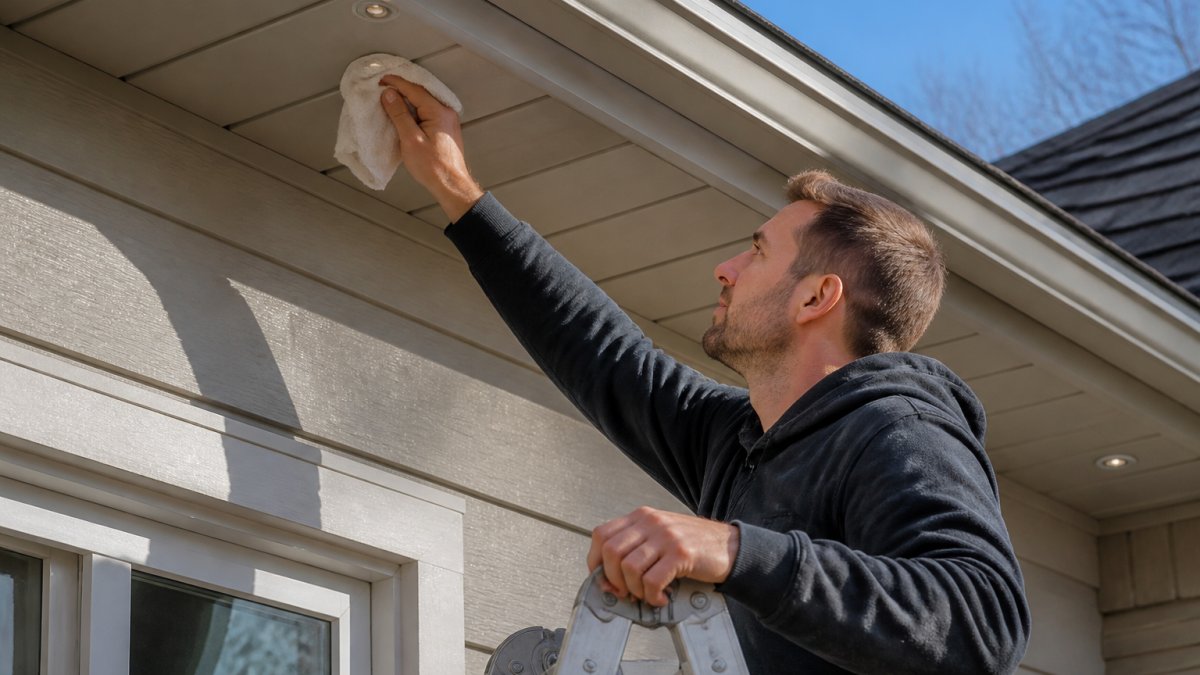
Here is the routine we recommend:
- Wipe lenses and pucks with a soft, damp cloth each season
- Check that mounting tracks sit flush and fasteners are snug
- Look for water pooling near power supplies and connections
Most of this takes an afternoon twice a year. The payoff is fewer surprise failures and a longer service life.
Permanent Outdoor Lights Repair: Fix or Replace?
Permanent outdoor lights repair is usually the right call when one component fails. Replacing the whole system over a single dead controller is money wasted.
Use this rule of thumb:
| Problem | Likely Cause | Best Move |
|---|---|---|
| Flickering or color glitch | Controller or signal | Repair the controller |
| One dark section | Power supply or connection | Repair or replace part |
| Single dim puck | Aging diode | Replace that puck |
| Widespread dimming | End of diode life | Plan full replacement |
| Loose or sagging track | Mounting wear | Re-secure or replace track |
The real difference between repair and replacement comes down to scope. One failed part is a repair. A system-wide decline in brightness and color consistency is a replacement signal.
What Warranties Cover and What They Do Not
The most common warranty confusion is treating an LED lifespan claim as a warranty. They are different things. A lifespan claim is a marketing estimate of how long a diode should operate under ideal conditions. A warranty is a contractual promise about what the manufacturer or installer will fix, for how long, and at whose cost. A system can carry a "50,000-hour" diode claim and a 3-year limited warranty at the same time, and both statements can be true.
What a typical warranty actually covers
Most permanent lighting warranties are limited warranties that cover manufacturing defects in specific components for a set period. Common patterns:
- LED diodes and pucks: covered against premature failure (often defined as a percentage of output loss or complete failure) for a stated term.
- Controller: covered against malfunction not caused by misuse, power surges, or water intrusion.
- Power supply: covered under normal operating conditions, but usually voided by evidence of heat damage, moisture intrusion, or improper mounting.
What warranties typically do not cover
- Labor to diagnose, remove, and reinstall parts. Many warranties are parts-only. On a roof-mounted system, labor can exceed the cost of the part.
- Water damage from failed seals or improper installation. This is one of the most common denial reasons and one of the most preventable.
- Storm, pest, and physical impact damage. Wind, hail, rodents, and ladder strikes are usually excluded.
The questions that separate a real warranty from a headline number
Before you buy, get written answers to these:
- Is it parts-only or parts-and-labor? A 10-year parts warranty with no labor coverage can cost more over its life than a 5-year parts-and-labor warranty.
- What is the failure threshold? Some warranties require a diode to fail completely; others cover output loss above a stated percentage. Ask which.
- Who honors it, the manufacturer or the installer? If the installer goes out of business, a manufacturer warranty may still stand, but labor coverage usually does not.
- What voids it? Water intrusion, heat damage, power surges, and unauthorized modification are the usual triggers. Ask how each is determined.
- Is there a prorated period? Many limited warranties are full coverage for the first few years, then prorated, meaning you pay a growing share of replacement cost.
- Does it transfer if you sell the home? Transferability is a real resale value question for a permanent installation.
takeaway The warranty is only as good as the installer behind it. Professional installation with a clear service agreement, documented mounting, and sealed connections matters. Get the coverage terms in writing before installation, and keep the installation record, most warranty claims are decided on evidence of how the system was installed.
Conclusion
Permanent lighting is a long-term investment, and knowing what wears out first helps you protect it. Expect 8 to 12 years from a well-built system, with the controller and power supply setting the pace.
Curb Appeal Permanent Lights designs discreet, app-controlled systems built for year-round use. Our concealed fixtures blend with your roofline, our visualizer shows you the look before you commit, and our team handles professional installation from start to finish.
See it on your home and get a clear answer on lifespan and coverage for your property.
Frequently Asked Questions
How long do permanent outdoor LED lights last?
Most permanent outdoor LED lights are rated for 30,000 to 50,000 hours of use. Because the fixtures typically run only a few hours per night rather than around the clock, that rating translates into roughly 10 to 15 years of real service in a climate with cold winters and hot summers. The LEDs themselves usually outlast the controllers and power supplies that run them, so the system's overall life depends on the weakest component, not just the diodes.
Do permanent outdoor lights burn out, and can they be repaired if part of a strand stops working?
Individual LEDs rarely burn out outright, but sections can fail when a connector corrodes, a power supply weakens, or a controller stops sending signal. Permanent outdoor lights repair is usually straightforward: a technician tests the circuit, swaps the failed puck or connector, and restores the run. Because these systems are modular, a single dead segment does not mean replacing the whole installation. That is one reason professional systems with accessible connections outlast sealed, disposable strands.
What maintenance do permanent holiday lights need to last longer?
Permanent holiday light maintenance is mostly preventive and low-effort. Rinse the fixtures and tracks once or twice a year to clear pollen, salt, and grime. Check that mounting clips and tracks are still secure after freeze-thaw cycles. Keep the controller and power supply in a dry, ventilated spot. Trim branches away from the runs, and use the app to set schedules so the lights are not running 24 hours a day. Catching a flickering segment early prevents a small repair from becoming a full replacement.
What factors affect how long permanent holiday lights last?
Four factors dominate: operating hours, weather exposure, installation quality, and component quality. Lights run every night at full brightness age faster than those on a scheduled timer. UV exposure, moisture, and temperature swings stress seals and connectors. A sloppy mounting job that traps water or stresses wiring shortens life regardless of the LED rating. And a system with a quality power supply and controller will outlast a cheaper one even if both use similar diodes.
